July 1, 2026
In Kitchens, Consistency Matters. Here’s why I believe chefs continue to trust Martin’s in professional kitchens.
By: Andrew “Kappy” Kaplan
In professional kitchens, there are certain products chefs just trust.
Not because they’re trendy. Not because the place down the street is using them. But because they consistently do what they’re supposed to do—day after day, customer to customer, bite after bite.
Martin’s Potato Rolls have become one of those products.
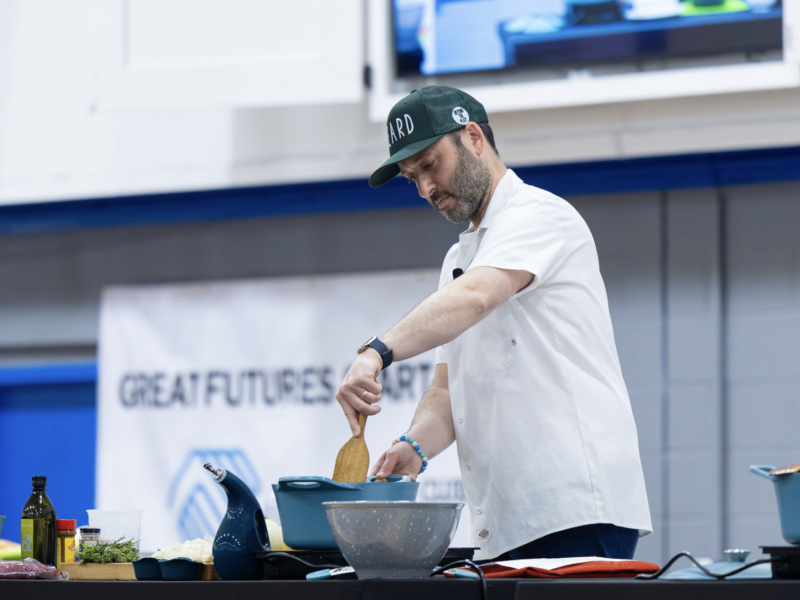
A chef by trade, I’ve spent years traveling, eating, producing culinary content and events, and interviewing some of the world’s most respected chefs and restaurateurs for my podcast Beyond the Plate. As a result, I’ve had the opportunity to experience food at many different levels—from neighborhood sandwich counters and small-town burger stands to Michelin-starred dining rooms and globally renowned restaurants.
If there’s one thing I’ve learned along the way, it’s this: chefs care about the details.
They notice texture. Structure. Balance. Consistency. They notice how a bun or roll toasts, how it absorbs sauce, how it holds up (when it’s wrapped vs. not wrapped), and if the last bite is as good as the first.
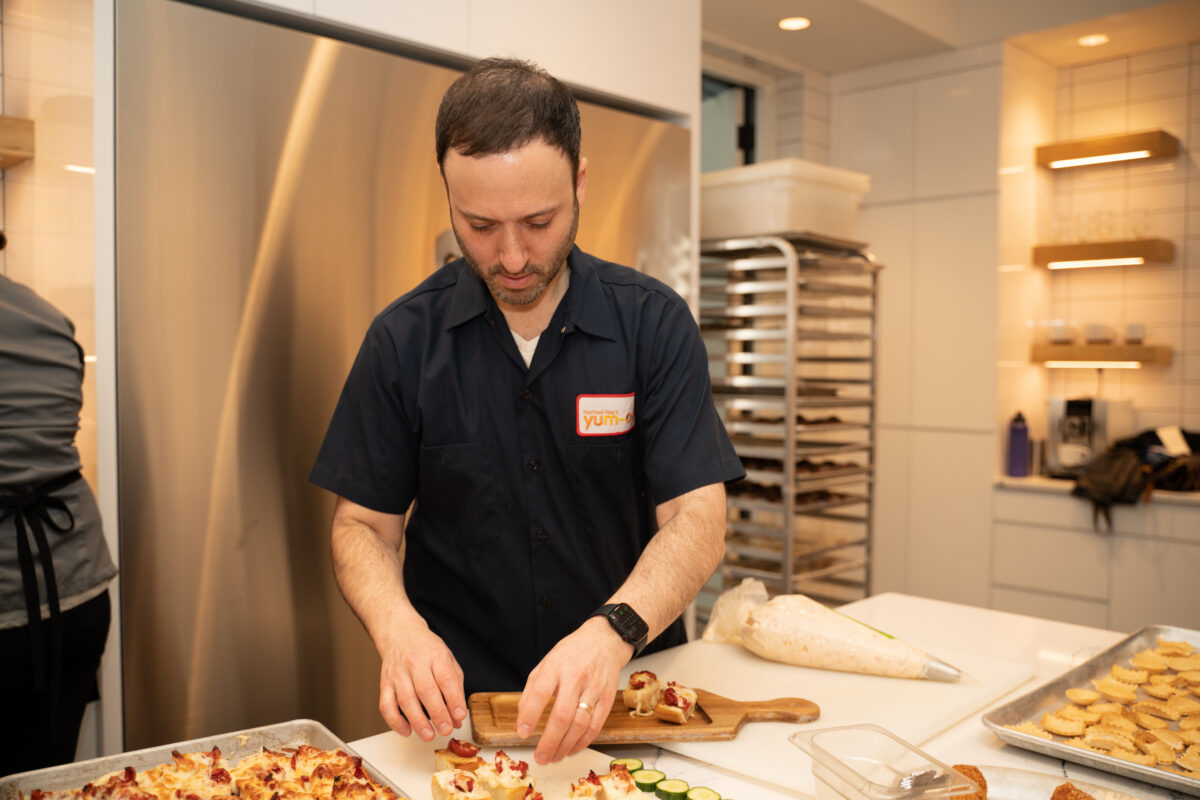
It’s also not uncommon for chefs and people in the industry to ask each other questions like:
“Where did you eat?”
“Any hits?”
“Where are you getting your [insert ingredient/product here] from?”
Because in this industry, we’re all constantly learning from one another. Sharing insights. Paying attention to the details. When we stop doing that, we go backwards.
And there’s a reason Martin’s Famous Potato Rolls continue to come up in conversations.
For some operators, a bun might seem secondary to the protein or fillings. But in reality, many of us know the bun can make or break the overall eating experience. You can have incredible ingredients, but if the bread falls apart, becomes soggy, or overwhelms the sandwich…guests notice.
Martin’s somehow manages to deliver softness and structure at the same time—something that’s harder to achieve than most people realize.

For me, the texture is one of the first things that stands out. Soft, pillowy, and slightly sweet with just enough structure to hold everything together without feeling dense. That balance is incredibly important in foodservice.
Martin’s products hold their integrity really well—like, really well—especially in high-volume environments where consistency matters (hello original Shake Shack, Dave’s Hot Chicken, and 7th Street Burgers!). In restaurant kitchens, we try to avoid unexpected surprises during service at all costs, and if the reliability of a product can help mitigate that, we’re all for it.
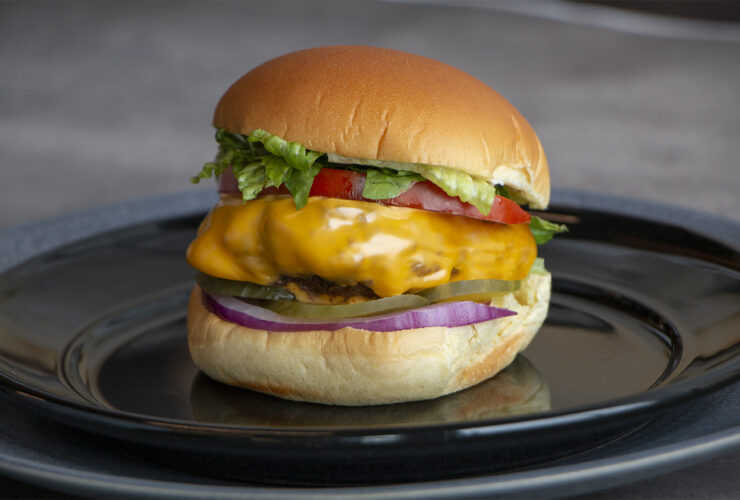
A great bun or roll shouldn’t overshadow the experience, but it absolutely should support it. Martin’s rolls toast beautifully. They hold up to sauces. And from a practical standpoint, the sizing and consistency from roll to roll matter more than consumers often realize.
In restaurant kitchens, consistency is everything.
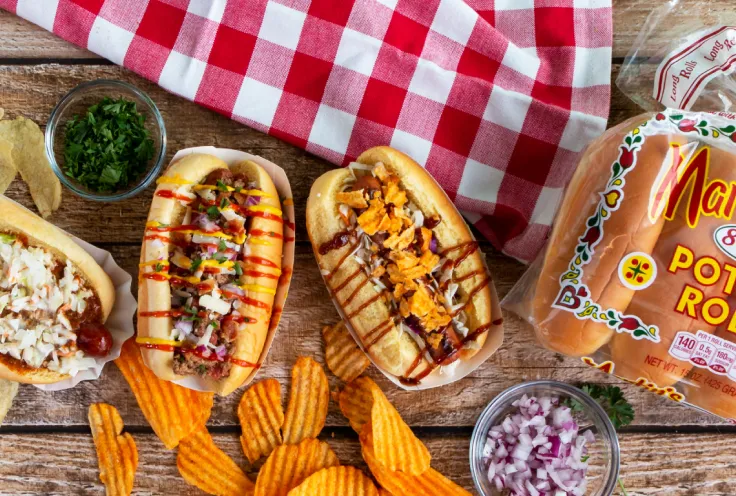
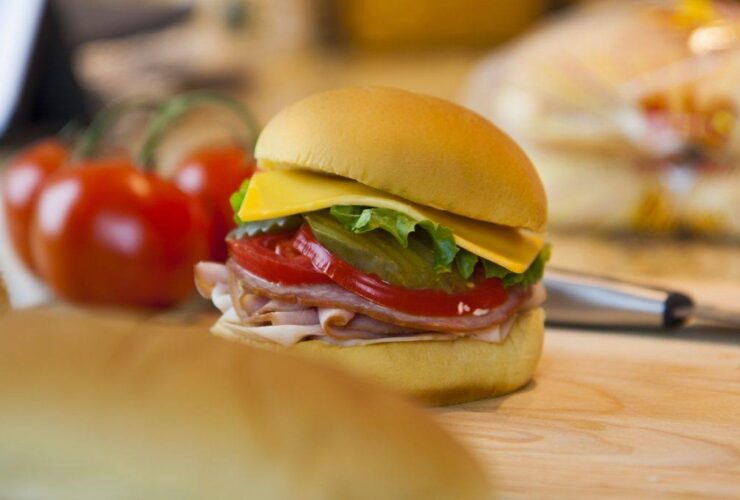
And while Martin’s Potato Rolls are often associated with burgers, what’s particularly interesting is how versatile the products have become across menus and formats. You’ll find them used for breakfast sandwiches, fried chicken sandwiches, deli-style builds, sliders, lobster rolls, BBQ sandwiches, and so much more.
There’s also a reason chef-driven restaurants continue to gravitate toward the brand. Great chefs don’t choose products accidentally.
One example that comes to mind is Kasama in Chicago, where Martin’s helps anchor one of the country’s most talked-about breakfast sandwiches. It’s a reminder that truly great food often lives at the intersection of technique, comfort, and execution.
And in many ways, that perfectly reflects Martin’s itself.
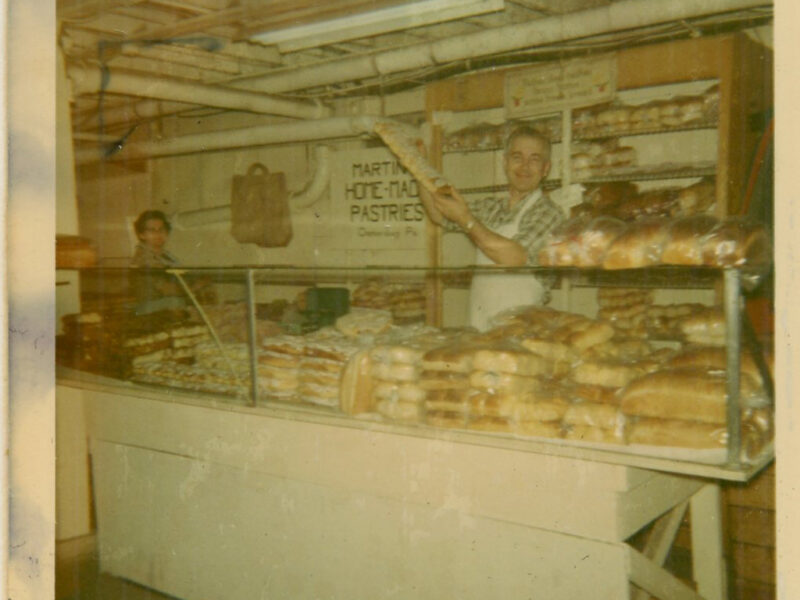
Long before Martin’s became a staple in restaurants across the country, it began in a one car garage in 1955, where Lloyd and Lois Martin baked potato rolls and sold them at local farmers markets in Pennsylvania.
Honestly, there’s something incredibly fitting about that origin story.
Because the best food products—and the best restaurants, for that matter—are often built the same way: through consistency, care, hospitality, and trust.
That trust is hard to build in foodservice. And even harder to maintain.
Yet somehow, Martin’s has managed to remain widely loved across generations of chefs, operators, home cooks, and guests alike.
And yes… there are real potatoes in Martin’s Potato Rolls.

Author Bio:
Andrew “Kappy” Kaplan is a trusted culinary strategist, advisor, and chef who serves as EVP of Culinary Operations for the Rachael Ray brand and Co-Founder and Director of Yum-o!, Rachael Ray’s nonprofit focused on cooking education and ending childhood hunger. Through his advisory practice, Culinary Advisors LLC, he works with food brands, founders, and investment teams, bringing a chef-informed perspective to products, partnerships, and consumer experiences. He also hosts the Beyond the Plate podcast, where he sits down with some of the world’s leading chefs, restaurateurs, and food personalities. Follow Kappy on Instagram: @onkappysplate